
Need for Restructuring and Constitutionalizing Human Rights Commissions
The NHRC and SHRCs remain advisory statutory bodies whose recommendations are routinely ignored. Advocate Shikhar of the Lucknow High Court argues for a three-tier District-State-National structure and constitutional status (Articles 338-C/D/E) to give India's human rights commissions real teeth.
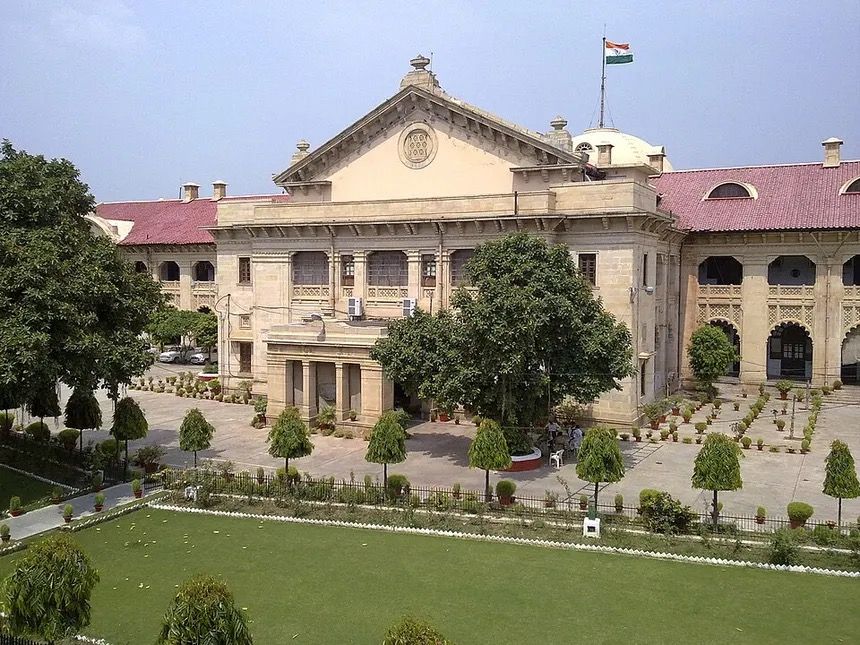
The backbone of every constitutional democracy is formed by Human Rights. The fundamental rights have been granted under Part-3 of the Indian Constitution, empowering the Supreme Court under Article 32 and the High Courts under Article 226. The current status of the National Human Rights Commission and the State Human Rights Commissions is that of statutory bodies whose recommendations are largely advisory and frequently ignored by governments, resulting in injustice to the aggrieved whose human right is violated, and the purpose remains unresolved.
There are various kinds of human rights violations, chief among them recurring allegations of custodial torture, encounter deaths, illegal arrests, prison overcrowding, violence against women and children, discrimination against vulnerable communities, delayed investigations, and abuse of authority by public officials — especially police — being witnessed in India. Also, arbitrary use of power to bother someone — for example, top-level bureaucrats misusing their powers to quell someone's rights and harass them — amounts to human rights violation and abuse of power. In some cases, police misuse their power to deter anyone in order to extract money out of their pocket, which usually happens due to lack of legal awareness in society, and this is an unethical act on the police's part.
Now the main problem with the current system is that it is neither comprehensive nor has constitutional power been granted. That is to say, there is a State Human Rights Commission in every state but no separate District Human Rights Commission in every district, as in the case of the Consumer Forum where there are three channels — District, State and National — with the Supreme Court being the last court of appeal. Likewise, restructuring the same pyramid would ameliorate both the case disposal rate and reduce the work of the High Courts, as the final appeal would lie with the Supreme Court.
There are global examples where human rights institutions are constitutionalized, of which the world's largest democracy, India, can take note: South Africa, Australia, New Zealand, Canada, France etc. In Latin America, Mexico has recognized its human rights institution constitutionally.
With the change in status to constitutional, the arbitrary activities of both police and bureaucrats will be checked and controlled, as there will be a provision of accountability. Currently, the SHRCs and the NHRC are toothless organizations, implying they cannot enforce action against human rights violations, and they are taken very lightly.
Lastly, for a healthy democracy there must be a check and balance between the citizens and the state. There are instances where the state uses excessive power against citizens to quell their fundamental rights even when peaceful protest, as guaranteed under Article 19(1)(b), is being exercised — it amounts to sheer violation of human rights. Currently no effective remedy is available for this, as there is a difference between a statutory body and a constitutional body with regard to the Human Rights Commission. As per the provision of Article 368 of the Constitution, there is a procedure for amendment by which provisions can be inserted — Article 338-C as District Human Rights Commission, 338-D as State Human Rights Commission and 338-E as National Human Rights Commission — to enhance the legal mechanism and ensure accountability in democracy.
The difficult question arises: how can it be amended? The government may not take heed, because it may not tolerate liberty to citizens in order to avoid accountability. It thus becomes the moral duty of every media house, advocates especially, pressure groups and civil society to come forward and make a strong impact by raising this issue in the national interest. Only if combined efforts are made can this issue be resolved, in order to make the democracy a healthy one — free from unaccountability, arbitrary use of authority and misuse of power.
— Shikhar, Advocate, Lucknow High Court
Views expressed are the author's own.
संबंधित ख़बरें
इसी विषय की और ख़बरें →
बच्चे की डूबने पर प्रशासनिक बचाव दायित्व और लापरवाही की कानूनी जांच

बच्चे की डुबकी पर प्रशासनिक बचाव दायित्व का कानूनी विश्लेषण
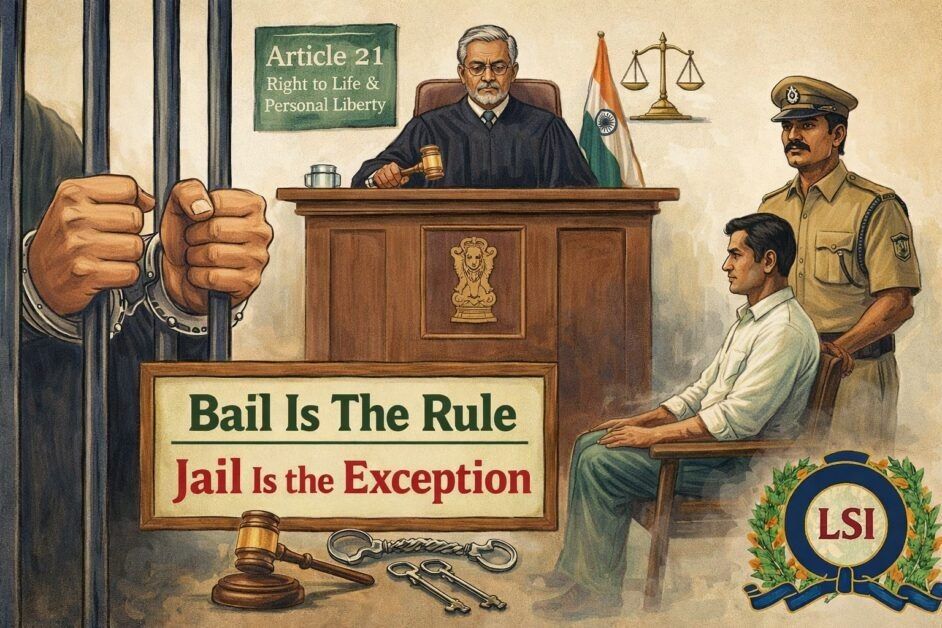
Bail is the Rule, Jail is the Exception: भारत में ज़मानत का बुनियादी सिद्धांत
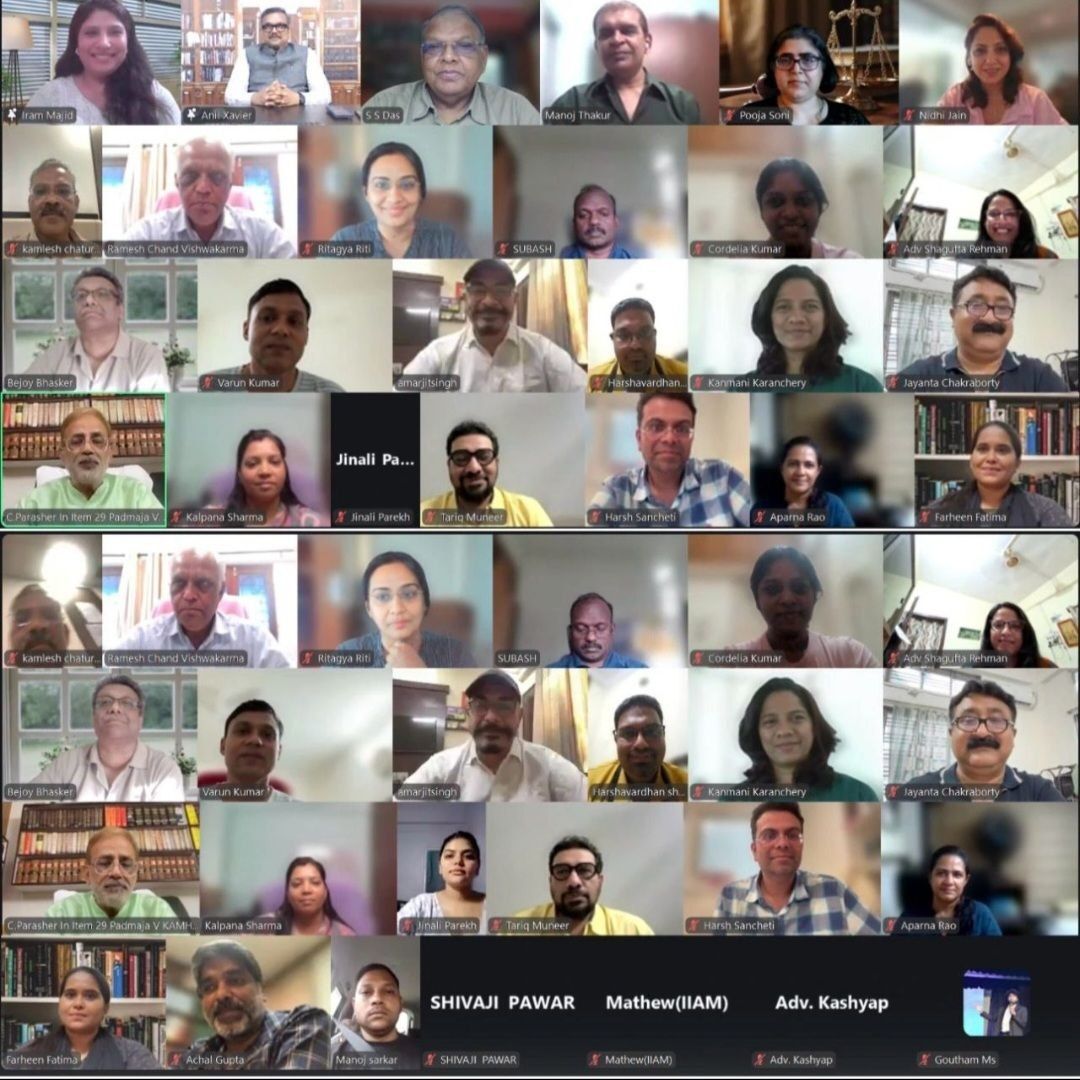
मध्यस्थता प्रशिक्षण कार्यक्रम: मध्यस्थता में विशेषज्ञता भारत में वैकल्पिक विवाद समाधान को बढ़ावा देने का संदेश

सुप्रीम कोर्ट का AI पर ऐतिहासिक फैसला: फर्जी AI-जनित केस लॉ पर 'जीरो टॉलरेंस'
क्या सरकारी अधिकारी कानून से ऊपर हैं?

स्वास्थ्य सेवा और सेवादारी: उपभोक्ता संरक्षण कानून का चिकित्सा लापरवाही पर प्रभाव
हेट स्पीच पर इलाहाबाद हाई कोर्ट का निर्णय: स्वतंत्र अभिव्यक्ति और सार्वजनिक व्यवस्था का संतुलन
ताज़ा ख़बरें
- न्यायपालिका में एक नए युग की शुरुआत: श्रिया माइनी की अद्भुत यात्रा
- बिल गेट्स ने चेतावनी दी: गलत हाथों में एआई से 100 करोड़ जीवन का खतरा, सरकार से कड़े नियमों की माँग
- कोलकाता हाईकोर्ट ने कहा: डिजिटल क्षेत्र में जातिगत गाली पर आपराधिक कार्रवाई संभव
- हा तिन्ह द्वारा प्रांतीय कानून प्रसार में डिजिटल क्रांतिकारी कदम
- दिल्ली HC: मुस्लिम वैवाहिक शादियों से POCSO का अपवाद नहीं
- सीबीआई विशेष अदालत में नेटवर्क व्यवधान, कार्यवाही एक महीने से रुकाव में
- गाजियाबाद में दिव्यांग गवाहों और आरोपी की पहुंच आसान, कोर्ट में व्हीलचेयर व स्ट्रेचर उपलब्ध
- कुसीयारगांव में विश्व पर्यटन दिवस पर आयोजित विधिक जागरूकता शिविर
